

A LEGO® Serious Play® Case Study | Talent Acquisition & Attrition
The Problem
A growing technology company was facing two connected problems they couldn’t fully explain. Attrition was higher than they were comfortable with, and the quality of new hires felt inconsistent. They suspected the two were related, but no one had a shared picture of what the right hire actually looked like, or why good hiring decisions were going wrong.
The hypothesis going into the workshop: if the people doing the hiring are each carrying a different mental model of who belongs in the organisation, the process will be inconsistent. Some hires will thrive. Others won’t stay.
Who Was in the Room
This is where the design of the workshop mattered as much as the content.
The eleven participants weren’t just the leadership team. They were a deliberate mix of senior leaders and mid-level managers, the people who actually conduct interviews day to day. In most organisations, these two groups never sit in the same room to build a shared view of who they’re hiring for. Leaders set the vision; managers run the process. The gap between the two is often where hiring goes quietly wrong.
Bringing both groups together, and giving them a shared method to work through was itself a significant part of what the day set out to fix.
The Workshop
Building the organisation first
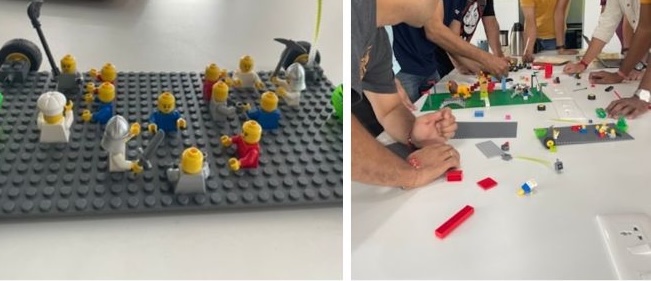
Before anyone talked about candidates, the group built the organisation identity. Each person constructed their individual model of the ideal org — what it stood for, how it moved, what it protected. Then they negotiated a single shared model, keeping only what was non-negotiable across all ten versions.
What emerged wasn’t a mission statement drafted in a meeting. It was a physically committed-to description: a forward-moving organisation built on core values, where people bring varied skills, empathy, and a growth mindset, within a culture of transparency and psychological safety.
Mapping who belongs in it
With the shared org on the table, participants built models for the kind of person who would thrive inside it. Thirteen competencies surfaced — versatility, growth mindset, selflessness, curiosity, self-awareness, among others. Each was placed spatially around the org model: must-have, good-to-have, nice-to-have, ranked by urgency.
The debates that followed were instructive, and they happened around models on the table, not in the air. One participant placed the ‘problem solver’ close to the org and left the ‘creative mind’ far behind. That placement triggered a real argument: are all problem-solvers creative, or are those different things? Is ambitious the same as self-driven, or does one carry a risk the other doesn’t? Because the models were physical, the disagreements were specific. And because they were specific, they got resolved — owned by the stakeholders.
Where the attrition thread came in
Once the group had committed to the landscape, the org they wanted, the people who belonged in it, then it was time to explore what actually gets in the way of hiring that person? Participants built the events: personal, organisational, circumstantial — that influence hiring decisions in ways that have nothing to do with the candidate. What came out was honest and, for many in the room, uncomfortable. An interviewer pulled in on a weekend with a family commitment. Salary expectations surfacing at the wrong moment. A bad morning at home carrying into an afternoon interview. A senior candidate reading as arrogant to an interviewer who had already mentally fatigued. Many other events came forth that was unexpected.
Six of these scenarios were played out physically against the shared org model. Each time, the group modified the model to show the impact — wheels removed, figures taken out, a skeleton placed where a wrong hire had landed. Seeing the organisation they had just built together degrade under these pressures made something visible that had previously only been felt.
The conversation that followed was the one the group had needed to have for a while.
Simple Guiding Principles
From these emergences, participants built models representing the principles most worth carrying forward, the ones that would hold when things got messy. They worded them together:
- Overcome prejudice
- Uphold company values — empathy, excellence, ownership, sense of urgency
- Create a positive experience
- Align on personas
Each principle was then tested against the emergence scenarios.
What the Workshop Produced
A shared model of the organisational identity they were hiring for. A collectively owned competency landscape. An honest inventory of what disrupts good hiring decisions. And four principles to return to when the unexpected happens.
Attrition is rarely about one thing. But misaligned hiring is almost always part of it. The eleven people in that room left with something they hadn’t walked in with: a shared picture of who they were hiring for, four principles to guide every interview, and a collective understanding of what gets in the way.
That’s what changes hiring. And over time, that’s what changes who stays.
Format: Full-day workshop Participants: 11 — leadership and mid-management Method: LEGO® SERIOUS PLAY® Industry:Technology
Manali Mitra is the Founder and Chief Facilitator of BlockstoUnblock Studio LLP. Connect with her on LinkedIn
Taming The LEGO® SERIOUS PLAY® (LSP) Method
Originally featured in LSP Magazine, Issue: 18. My love for literature and LEGO® SERIOUS PLAY® (LSP)…
The Beauty of Being “Sufficiently Unclear” : A LEGO® SERIOUS PLAY® Reflection
When the LEGO® SERIOUS PLAY® Master Trainers stumped me with the paradox of clarity, only to reveal …
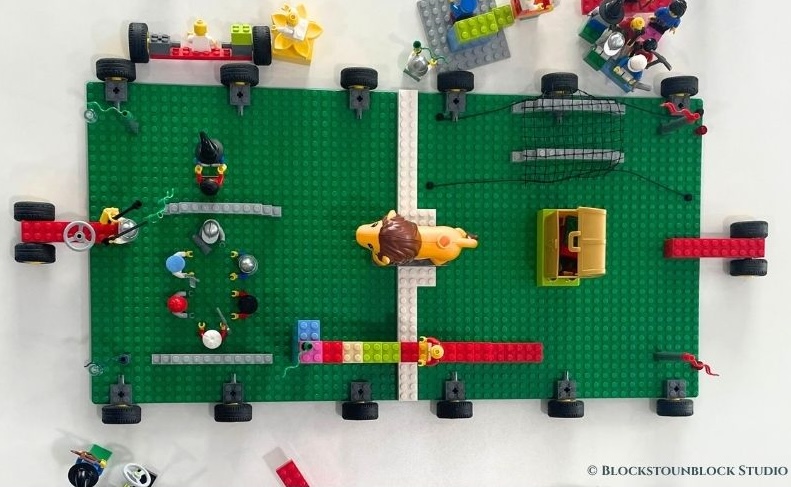
Hire the Team Your Organisation Deserves
A LEGO® Serious Play® Case Study | Talent Acquisition & Attrition The Problem A growing technolo…
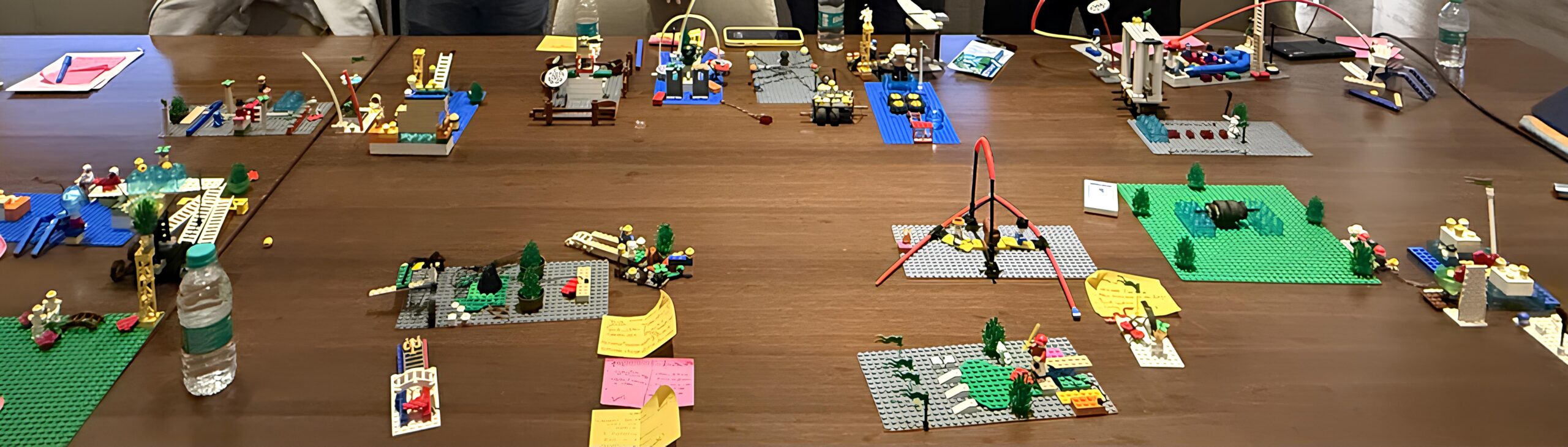
The Throne and the Blindspot: A LEGO® SERIOUS PLAY® Story
Originally featured in LSP Magazine, Issue: 20. This is the story of how a legacy organisation used …
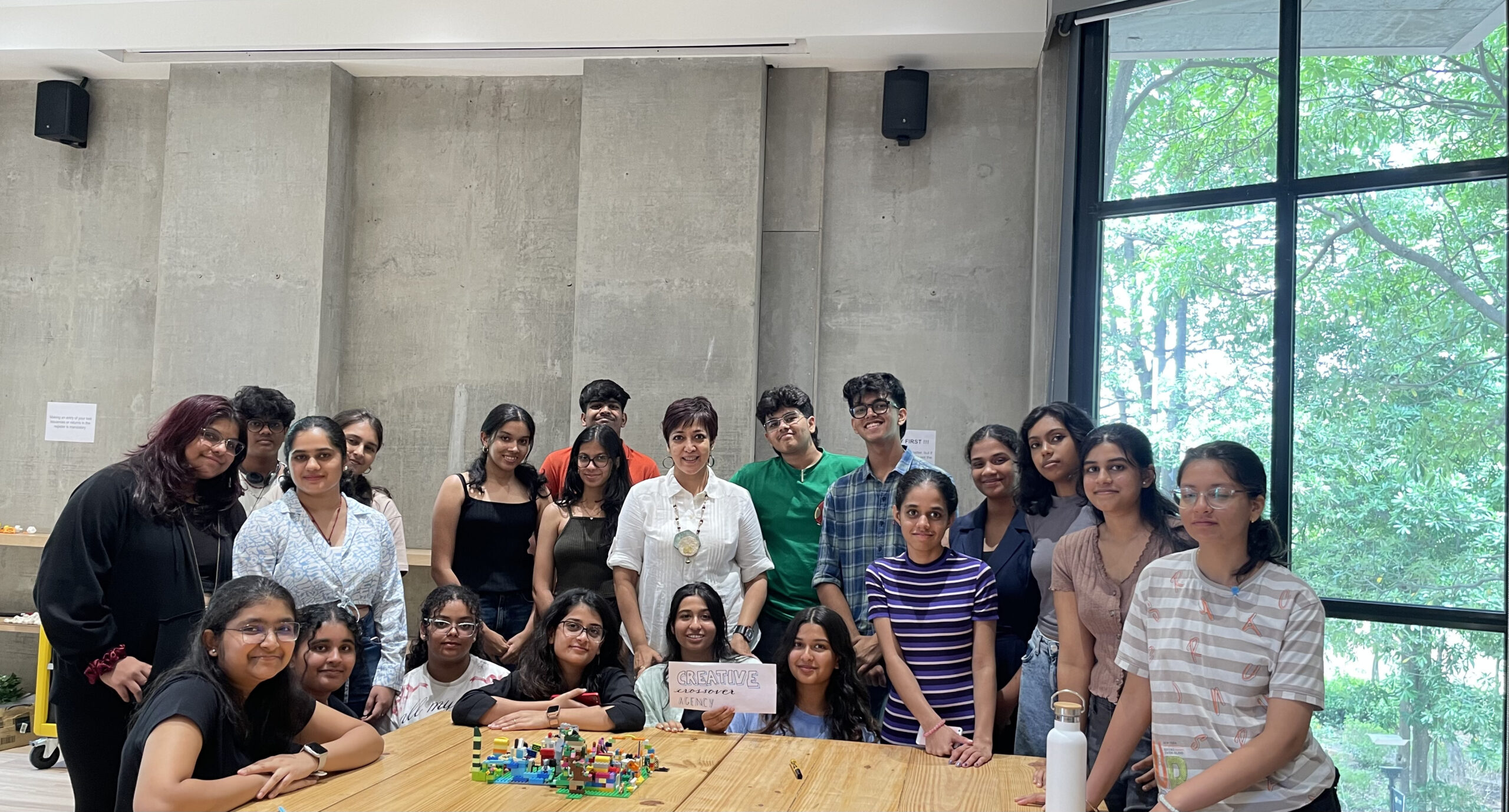
LEGO® SERIOUS PLAY® and Gen Z
Originally featured in LSP Magazine, Issue: 17. Situated in the picturesque foothills of the Western…
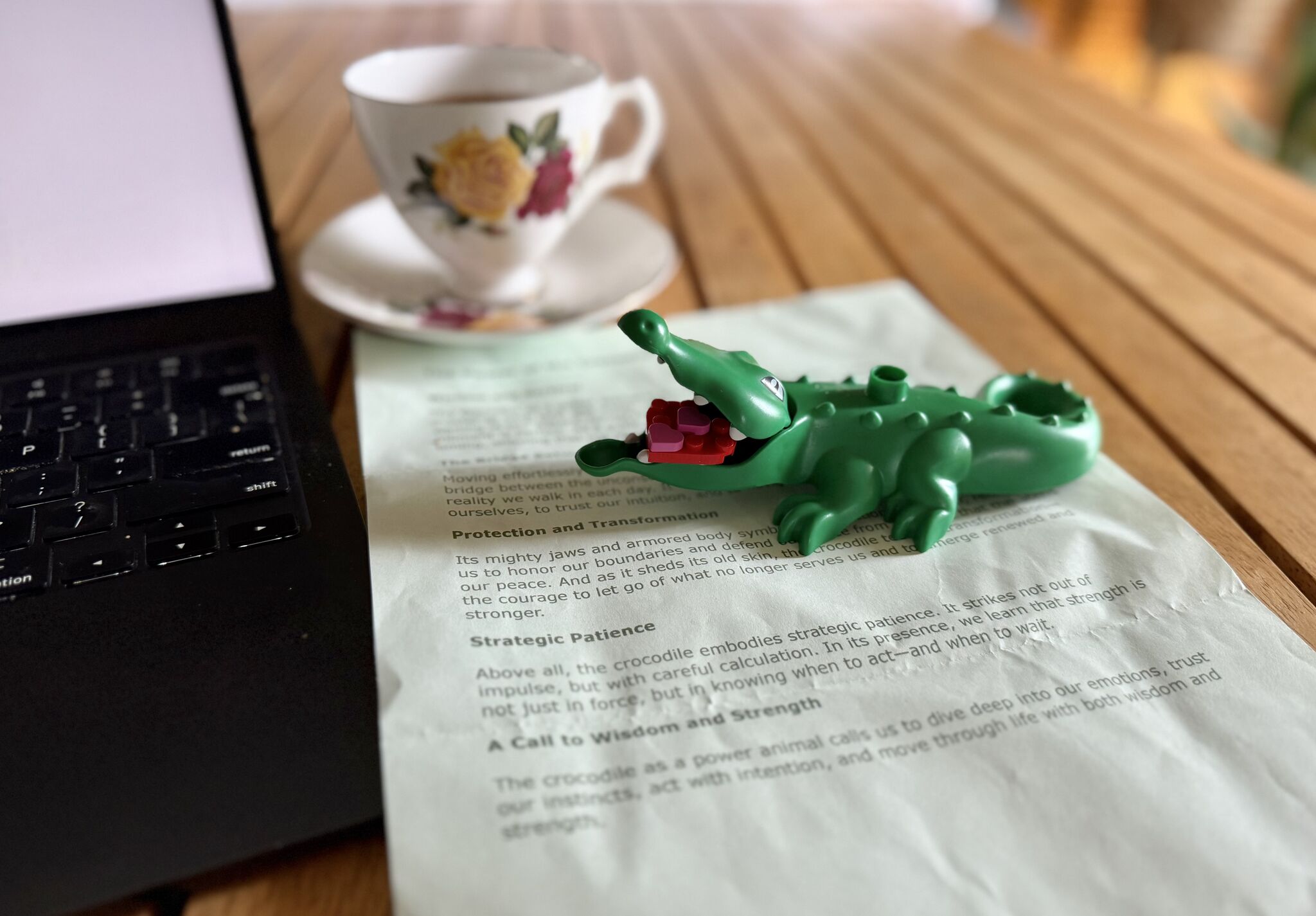
Rethinking the Crocodile: A LEGO® SERIOUS PLAY® Reflection
The power of Metaphors in LEGO® SERIOUS PLAY® All my life I saw the crocodile as a cold, dangerous a…
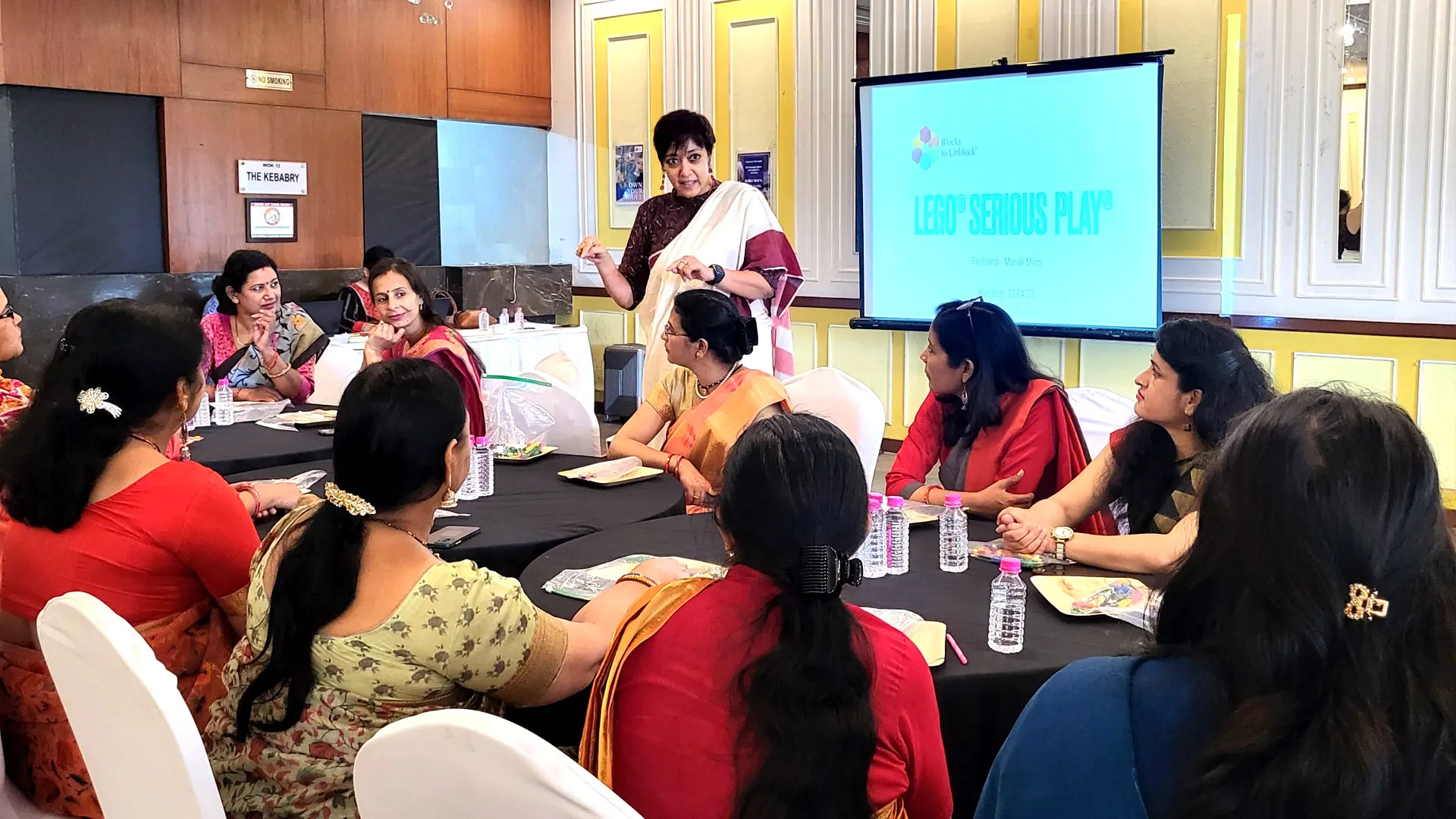
From Skepticism to the Holy Grail: A LEGO® SERIOUS PLAY® Story
Originally featured in LSP Magazine, Issue: 11. Decoding the mystery of unmotivated teachers Few yea…
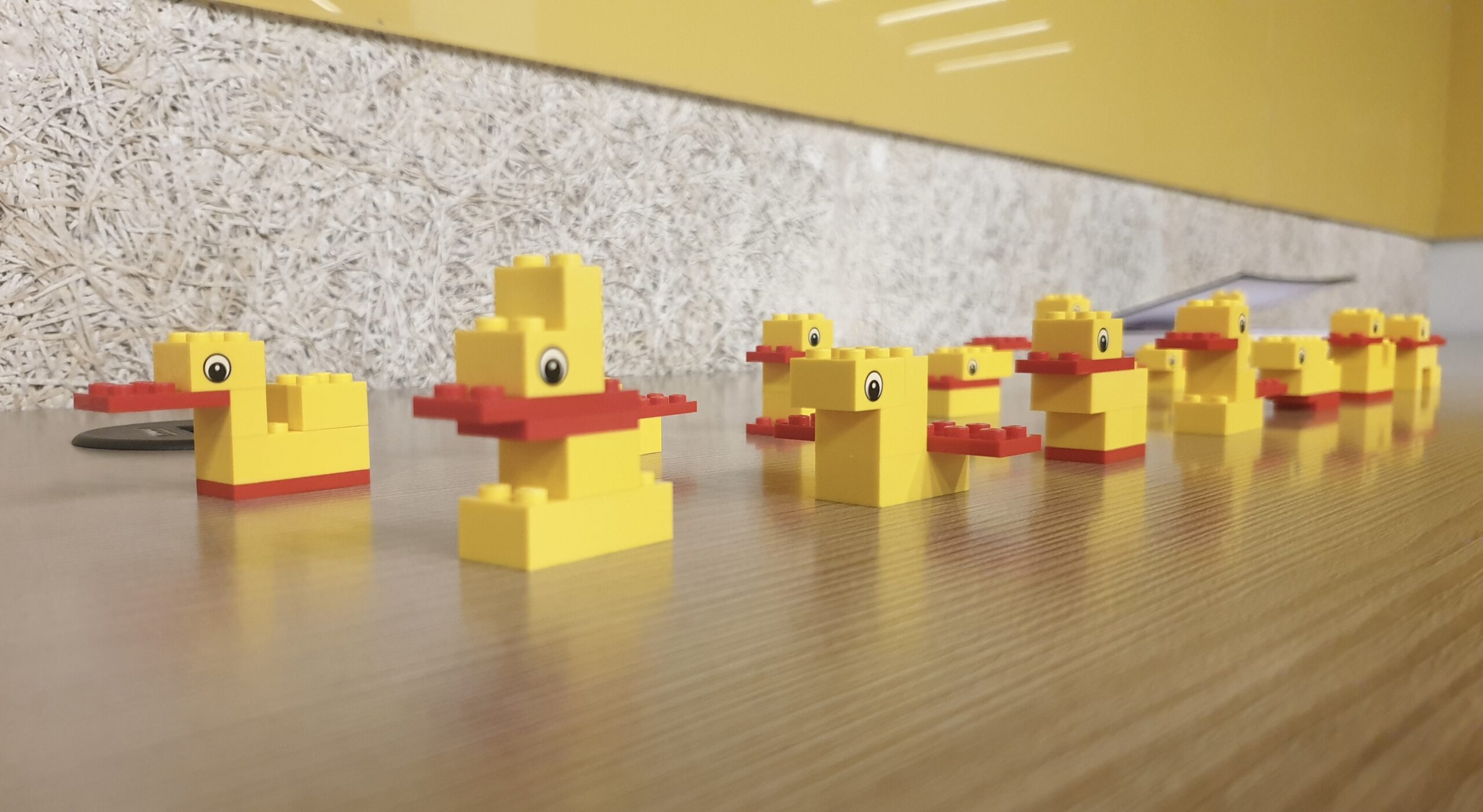
Keeping up the ‘Josh’ with LEGO® SERIOUS PLAY® Method
Originally featured in LSP Magazine, Issue: 14. How the power of LSP is leveraged to build the desig…
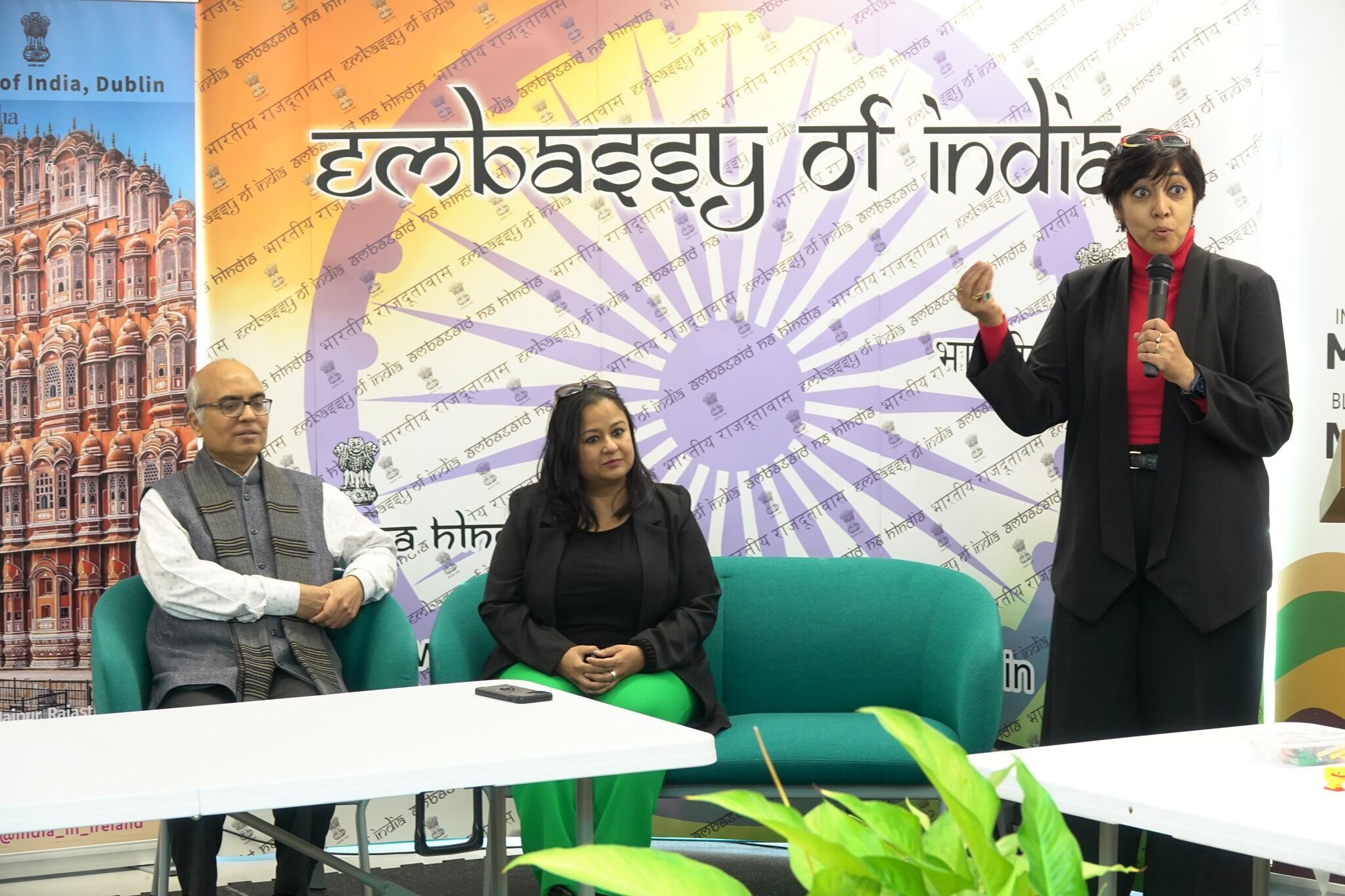
Case Study: Embassy of India Dublin – Diaspora Ideation Workshop Using LEGO® SERIOUS PLAY® method
The Embassy of India in Dublin invited members of the Indian diaspora—students, founders, working pr…
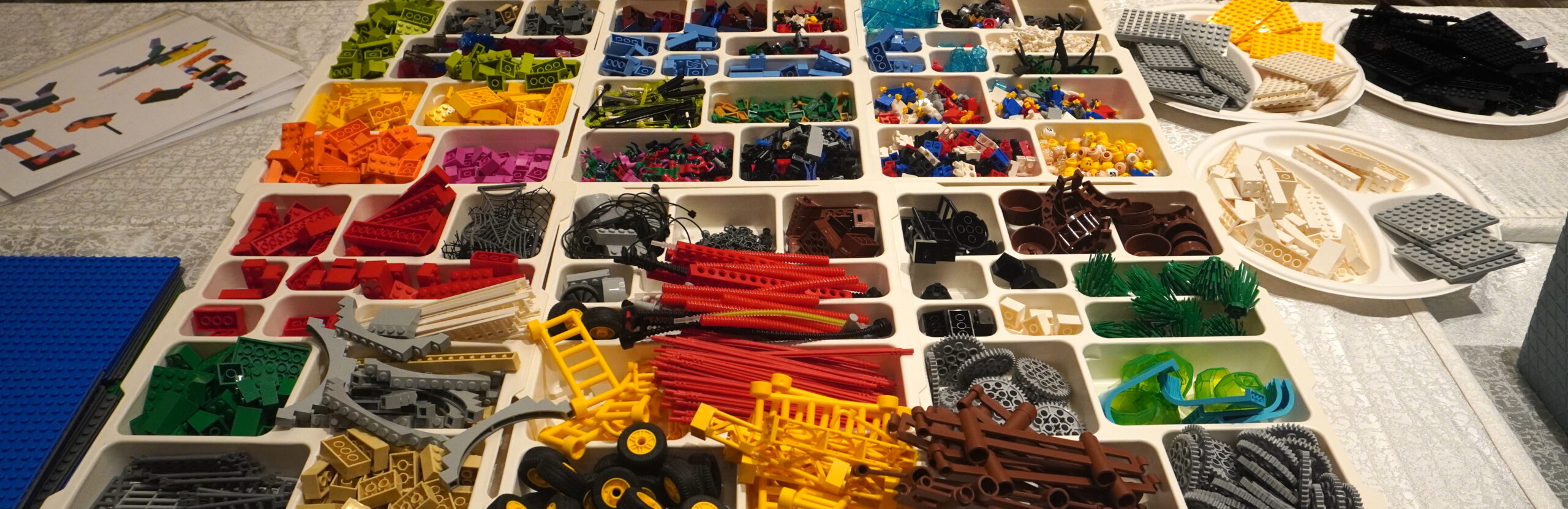
The Jump From 80/20 Meetings to 100/100 Engagement
How LSP moves teams from drifting to owning. We all have sat through enough team meetings, and we kn…
Add a Comment